🌿 A Gentle Start: Why Composting Matters in Daily Life
Composting is often framed as a gardening technique – but it’s more than that. It’s a daily act of awareness, a slow rhythm that invites us to notice what we discard and how nature can quietly transform it.
When you start composting, you begin to see banana peels, coffee grounds and withered herbs not as waste, but as nourishment in waiting. This shift is subtle, yet powerful. It connects you with the natural cycle of decay and renewal. You become part of something older and wiser – something that happens underground, in the dark, in stillness.
In a fast-moving world, composting is a slow revolution. One that starts right where you are.
🧺 What You Actually Need (Hint: Not Much)
You don’t need a garden. Or a shed. Or even a backyard. What you need is intention, a spot in your home, and a willingness to begin imperfectly.
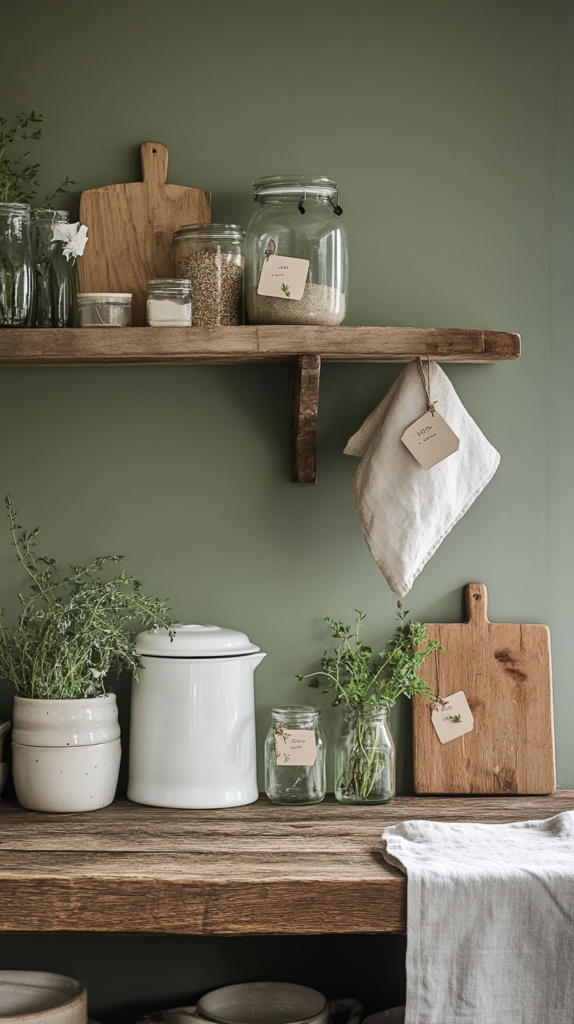
Start with:
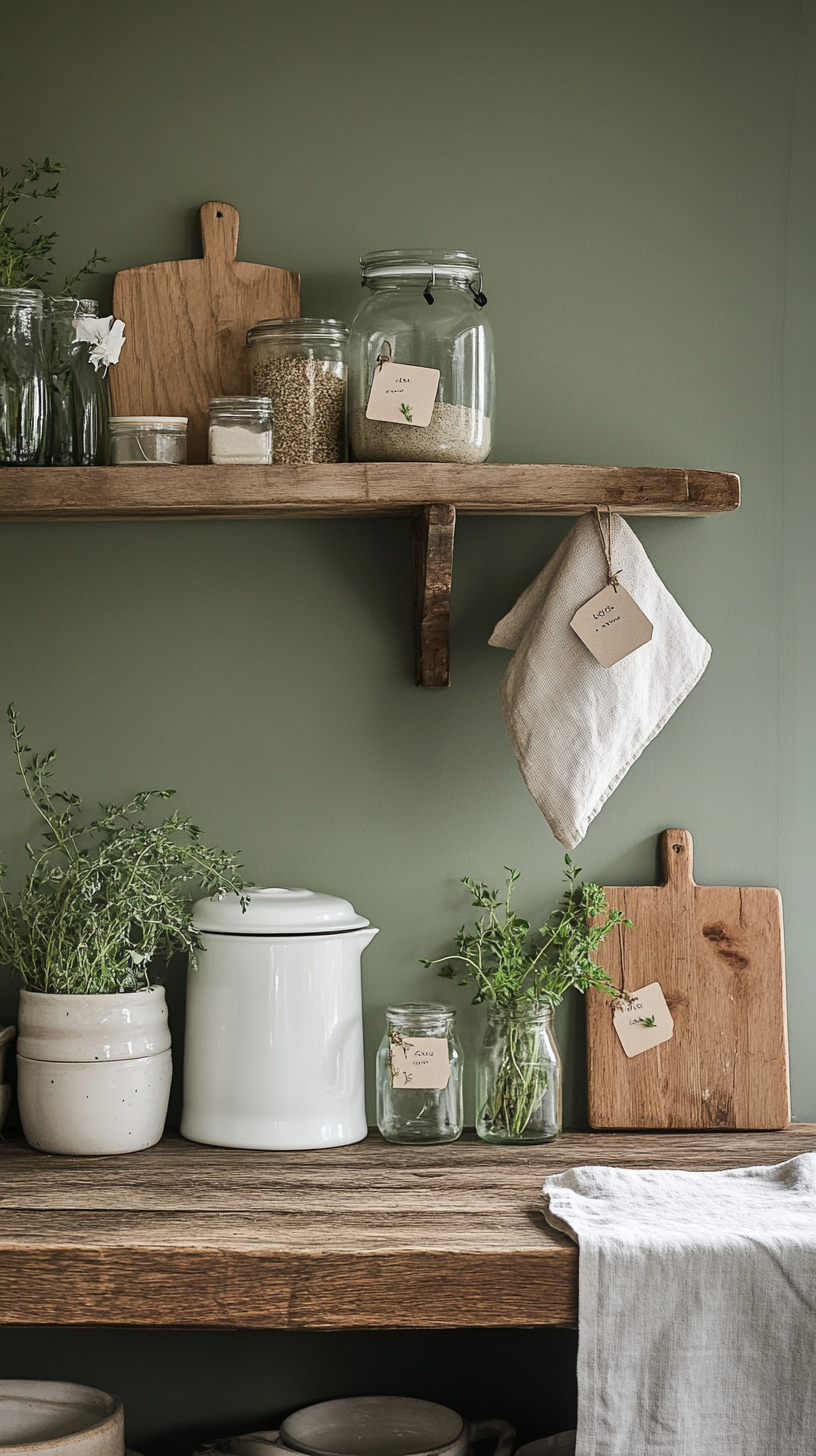
- A collection container: ceramic, metal or recycled plastic. Place it somewhere visible, like the kitchen counter – this keeps you mindful.
- A larger bin or system: depending on your space, you might choose a Bokashi bucket (for small spaces), a worm bin (indoor or garage), or a classic compost heap (garden or balcony).
- Some brown material (dry leaves, paper, straw) and green scraps (vegetables, fruit peels, coffee grounds).
- A bit of patience – composting is not instant. But it’s magical over time.
🪴 Composting Systems for Every Space
No two homes are the same – and neither are compost setups. Choose the one that gently fits your lifestyle.
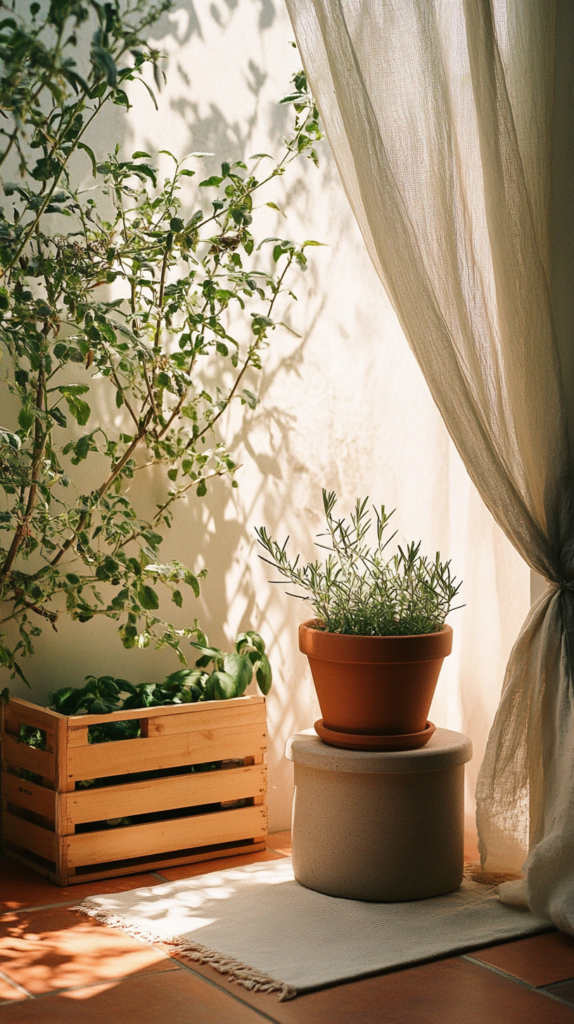
In a small apartment:
Try a Bokashi bucket (uses fermentation) or vermicomposting (worms in a tidy bin). Place it under the sink, on the balcony or in a cabinet.
With a balcony or patio:
Use a small compost tumbler or ceramic pot. Add layers, turn it weekly, and let it breathe.
With a garden:
You can go bigger: wooden compost boxes, open piles or covered bins work well. Make two sections – one “active,” one “maturing.”
The goal: keep it easy, visible and part of your natural rhythm.
🍂 The Beauty of the Cycle: Watching Waste Become Gold
The moment you first open your compost bin and smell rich, earthy soil – it feels like a small miracle. All those scraps, once destined for the trash, have turned into something alive, fertile and full of promise.
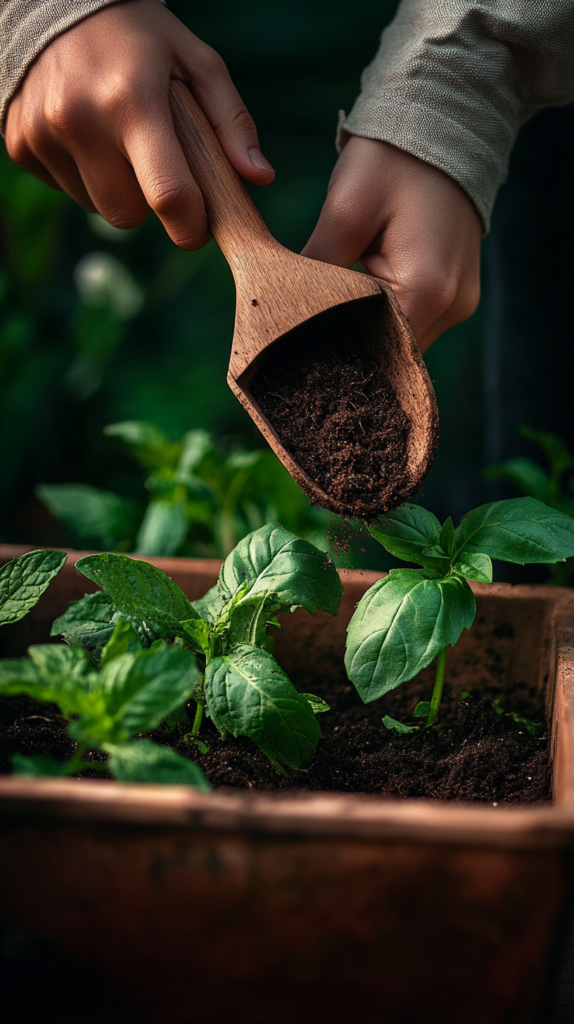
Over time, compost becomes an anchor in your routine. You might empty the kitchen container during your morning coffee ritual. Or add dry leaves on a Sunday afternoon. These tiny habits begin to feel like care – for your home, your garden, and the planet.
Use your compost for:
- Herb pots and balcony planters
- Raised beds or houseplants
- Sharing with neighbors or local gardens
💭 What If It Smells? What If I Mess It Up?
The truth is: composting is not always tidy. Sometimes it smells. Sometimes it’s too dry or too wet. But like any living system, it responds to attention.
If it smells sour: add browns, turn it gently.
If it’s too dry: mist it lightly.
Too wet: add dry material, open the lid for airflow.
Fruit flies: bury your scraps deeper or cover with leaves.
Mistakes are part of the process. Composting teaches us patience and trust – and that’s exactly why it matters.
🌼 Final Thoughts: Composting as a Slow Living Ritual
You don’t need to be a gardener to compost. You just need to care – about the earth, your home, and the invisible threads that connect them. Composting is a small practice with a big soul. It reminds you that even what seems useless has value. That transformation takes time. And that nourishment often starts in silence.
🌱 Some visuals in this article were created with the help of AI and serve as gentle visual inspiration for your own slow, sustainable routines.