Herb Garden at Home: Fresh, Fragrant & Foolproof 🌿✨
There’s something truly magical about growing your own herbs. They connect you to the earth, bring life into your kitchen, and turn even the smallest balcony or windowsill into a space of calm and creativity. Whether you’re dreaming of fresh basil for homemade pasta, mint for iced tea, or calming lemon balm for bedtime rituals—this is your gentle invitation to begin.
In this post, you’ll find beginner-friendly herbs that are easy to grow, delicious to use, and beautiful to have around. Let’s start small—and grow something meaningful.
🌿 1. Basil
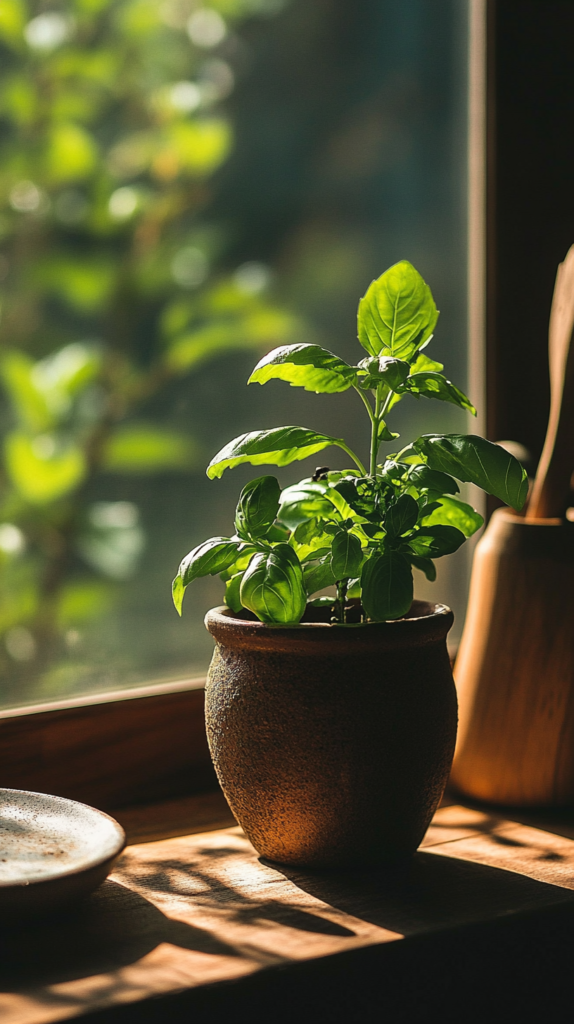
Fragrant, beautiful, and bursting with flavor—basil is one of the easiest herbs to grow at home. It loves the sun, grows fast, and brings Mediterranean magic to everything from pasta to salad.
🌱 How to grow it:
- 🌞 Needs: 6+ hours of sunlight per day (windowsill or sunny balcony)
- 💧 Water: Regularly, keep the soil moist but not soggy
- ✂️ Tip: Pinch off flowers and top leaves often to keep it bushy
- 🪴 Indoor-friendly: Yes – perfect for kitchen counters and small pots
- 🌿 Grows well from seed or starter plant
🍽️ How to use it:
- Add fresh leaves to pasta, pizza, caprese salad, or pesto
- Tear into fruit salads (peach + basil = magic)
- Freeze chopped leaves in olive oil cubes for winter cooking
- Dry the leaves to store as a culinary herb
- Use fresh in herbal infusions (basil + mint = calming digestive tea)
🌿 2. Mint
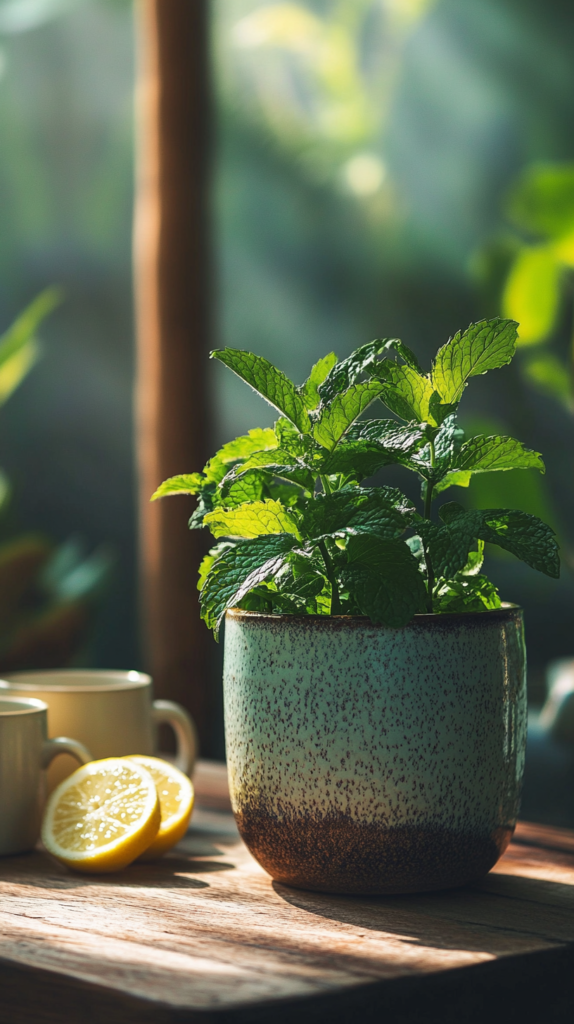
Mint is refreshing, fast-growing, and wonderfully versatile. Its cooling scent lifts the mood, supports digestion, and grows happily in containers—though it can get wild in the garden!
🌱 How to grow it:
- 🌤 Likes partial shade to full sun
- 💧 Keep soil moist and well-drained
- 🌱 Grows best in containers (to prevent spreading)
- ✂️ Harvest regularly to keep it under control
- 🌿 Propagates easily from cuttings
🍽️ How to use it:
- Brew into calming or digestive tea (mint + fennel = dreamy)
- Add to smoothies, lemonade, or infused water
- Chop into salads, yogurt dips, couscous or tabbouleh
- Dry leaves for winter teas or herbal sachets
- Use in rituals for clarity & freshness (hello, herbal magic!)
🌿 3. Parsley
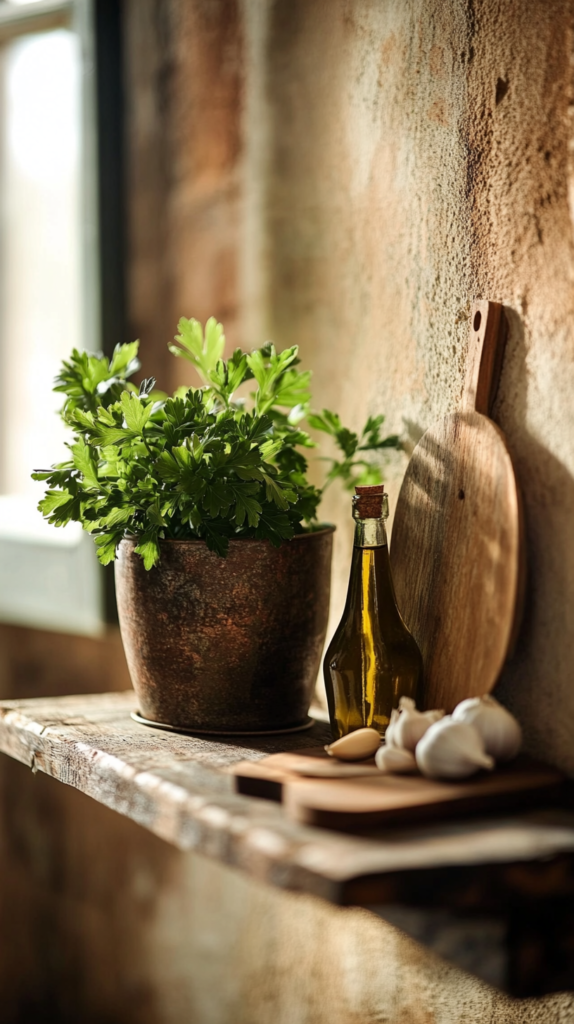
Parsley is bright, clean, and packed with nutrients. It’s more than just a garnish—it lifts flavor and brings freshness to almost any savory dish.
🌱 How to grow it:
- 🌞 Prefers full sun, tolerates partial shade
- 💧 Keep soil consistently moist
- ⏳ Grows slower from seed—starter plants recommended for beginners
- 🌱 Cut from the base to encourage regrowth
- Indoor-friendly in a sunny spot
🍽️ How to use it:
- Sprinkle over soups, roasted veggies, or rice
- Blend into tabbouleh, chimichurri, or green smoothies
- Pair with garlic and lemon for quick marinades
- Add to your medicinal garden for vitamin K and iron
- Dry for spice jars or hang as a dried herbs aesthetic touch
🌿 4. Chives
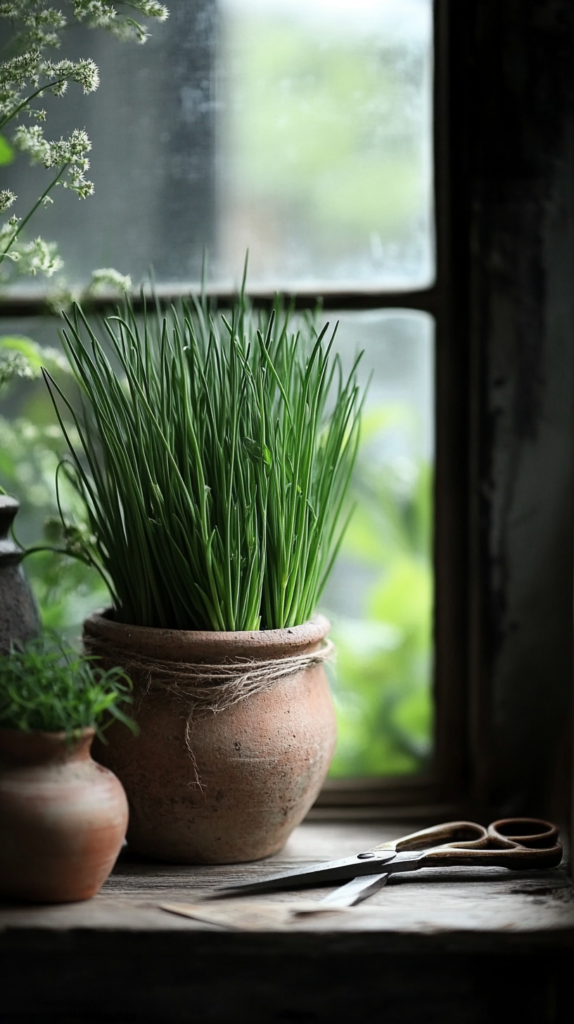
Chives are the unsung hero of the herb world. Mild, onion-like, and lovely to look at—these delicate green stalks are low-maintenance and great for beginners.
🌱 How to grow it:
- 🌤 Thrives in full sun but tolerates part shade
- 💧 Water when the soil feels dry
- 🪴 Grows well in pots or garden beds
- ✂️ Snip with scissors as needed—always from the base
- ❄️ Can survive mild winters and regrow in spring
🍽️ How to use it:
- Chop and sprinkle on scrambled eggs, potatoes, or soups
- Mix into cream cheese, butter, or salad dressing
- Add edible chive blossoms to spring salads
- Freeze in olive oil cubes for year-round flavor
- Easy to dry for your apothecary shelf
🌿 5. Thyme
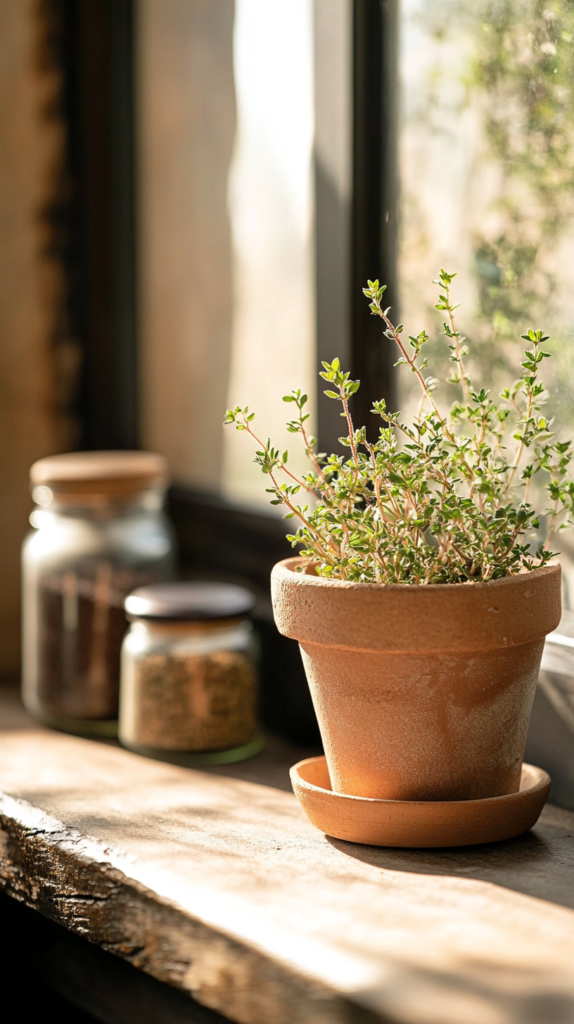
Thyme is tiny, mighty, and deeply aromatic. It thrives in dry conditions and brings a warm, earthy flavor to both kitchen and wellness rituals.
🌱 How to grow it:
- 🌞 Loves full sun and dry, well-draining soil
- 💧 Water sparingly—thyme hates soggy roots
- 🪴 Great for pots, raised beds, or even stone crevices
- 🌿 Cut stems above woody base to encourage bushy growth
- 🍃 Hardy and low-maintenance
🍽️ How to use it:
- Add to roasted vegetables, soups, or stews
- Infuse into oils or honey for herbal remedies
- Combine with rosemary and lavender for healing herb blends
- Dry and store in small jars for winter seasoning
- Use in rituals for strength and grounding
🌿 6. Rosemary
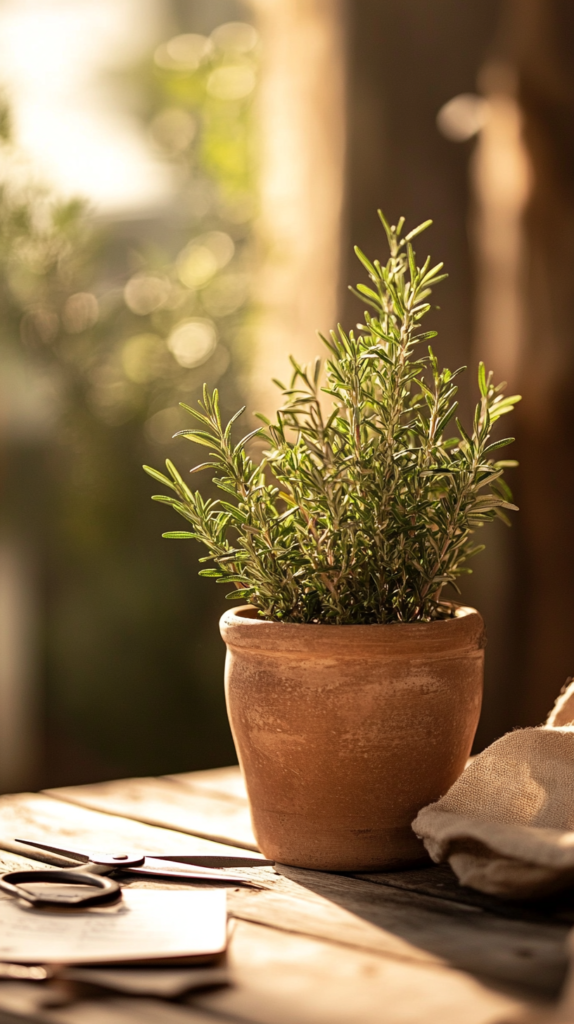
Rosemary is a hardy, aromatic herb with a rich fragrance and evergreen beauty. It thrives with little care and adds flavor, focus, and structure—both in design and in recipes.
🌱 How to grow it:
- 🌞 Needs full sun—at least 6 hours per day
- 💧 Allow soil to dry between waterings
- 🪴 Works great in containers or dry garden beds
- 🌱 Trim often to keep the plant compact and productive
- ❄️ Bring inside during harsh winters
🍽️ How to use it:
- Add to roasted potatoes, breads, and marinades
- Use as a skewer for veggie or tofu kebabs
- Infuse into vinegar or bath salts for relaxing rituals
- Dry for herbal magic use (clarity, memory, protection)
- Hang fresh bundles near windows for scent & insect control
🌿 7. Oregano
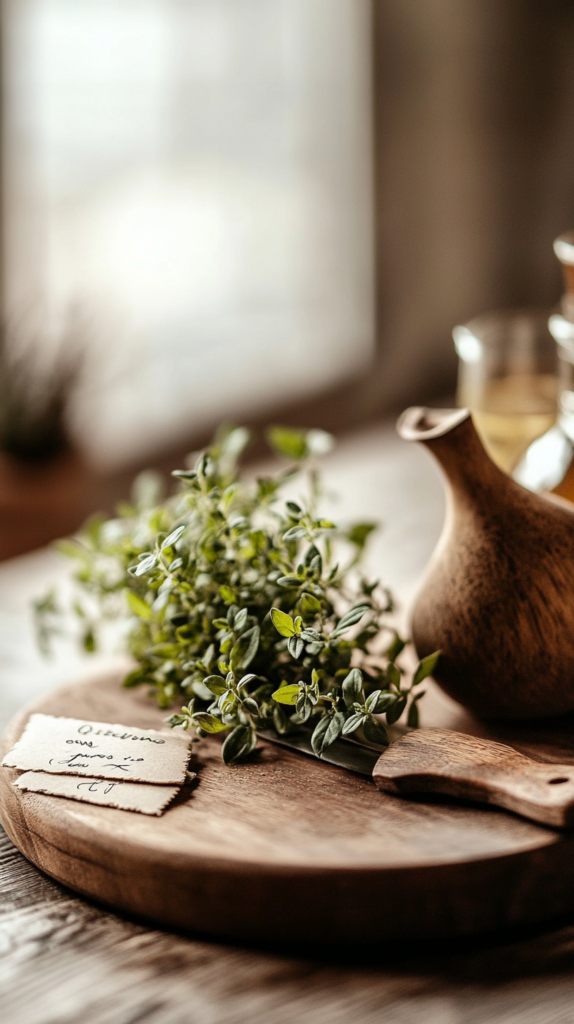
Oregano brings bold Mediterranean flavor and natural healing properties. It grows like a champ and is one of the most rewarding culinary herbs you can keep near your stove.
🌱 How to grow it:
- 🌤 Prefers full sun and well-drained soil
- 💧 Water when dry—don’t overdo it
- 🪴 Perfect for balcony pots or dry herb gardens
- ✂️ Pinch back stems before they flower to keep flavor strong
- 🌿 Propagates easily from cuttings
🍽️ How to use it:
- Sprinkle fresh or dried over pasta, pizza, and tomato sauce
- Steep into a strong tea for sore throats (hello, medicinal herbs!)
- Add to homemade spice blends or infused oils
- Dry and store in jars for cozy winter cooking
- Burn dried sprigs in rituals for cleansing & protection
🌿 8. Dill
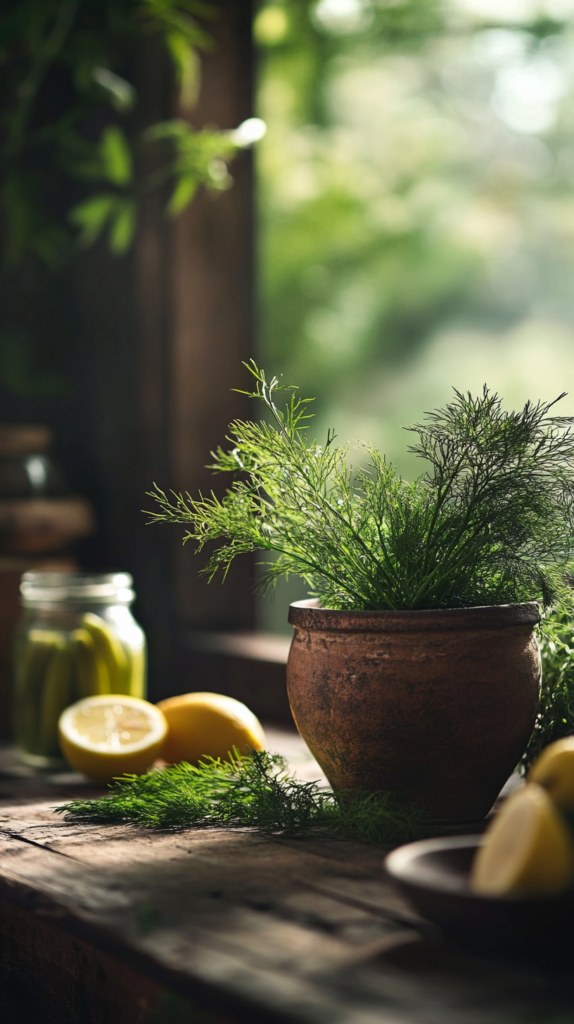
Dill is soft, fragrant, and grows surprisingly well in containers. Its fresh flavor brightens any dish and its delicate leaves bring texture to any herb corner.
🌱 How to grow it:
- 🌞 Prefers full sun (6+ hours daily)
- 💧 Keep soil moist but not soggy
- 🌱 Best grown from seed; doesn’t transplant well
- ✂️ Harvest fronds regularly to encourage growth
- 🪴 Can be grown in medium pots or garden beds
🍽️ How to use it:
- Add to dips, potato salad, and egg dishes
- Use with cucumber or yogurt for a refreshing sauce
- Add sprigs to pickle jars for flavor and charm
- Dry for use in soups and salad dressings
- Burn or bundle for cleansing rituals (light, airy energy)
🌿 9. Cilantro (Coriander)
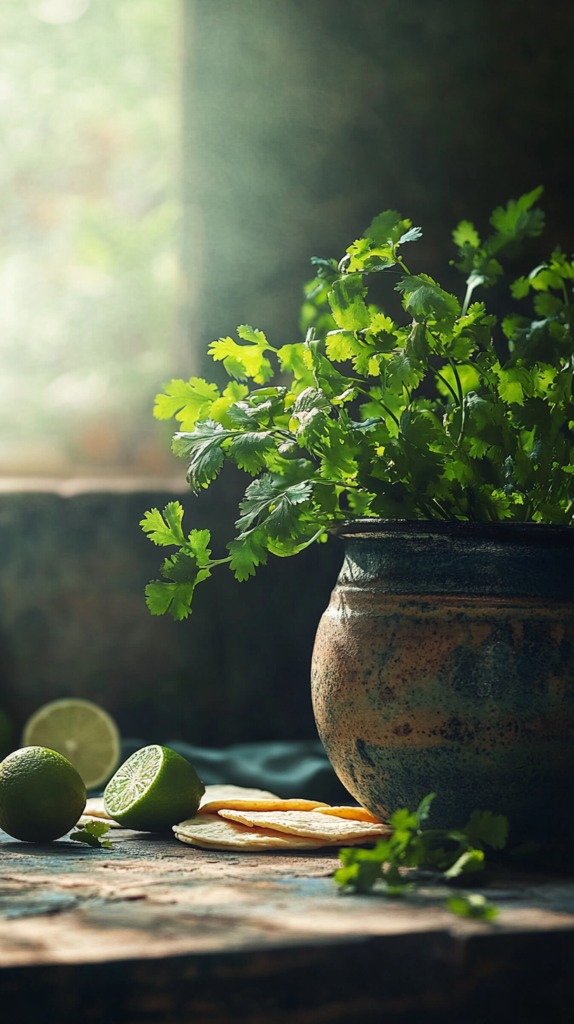
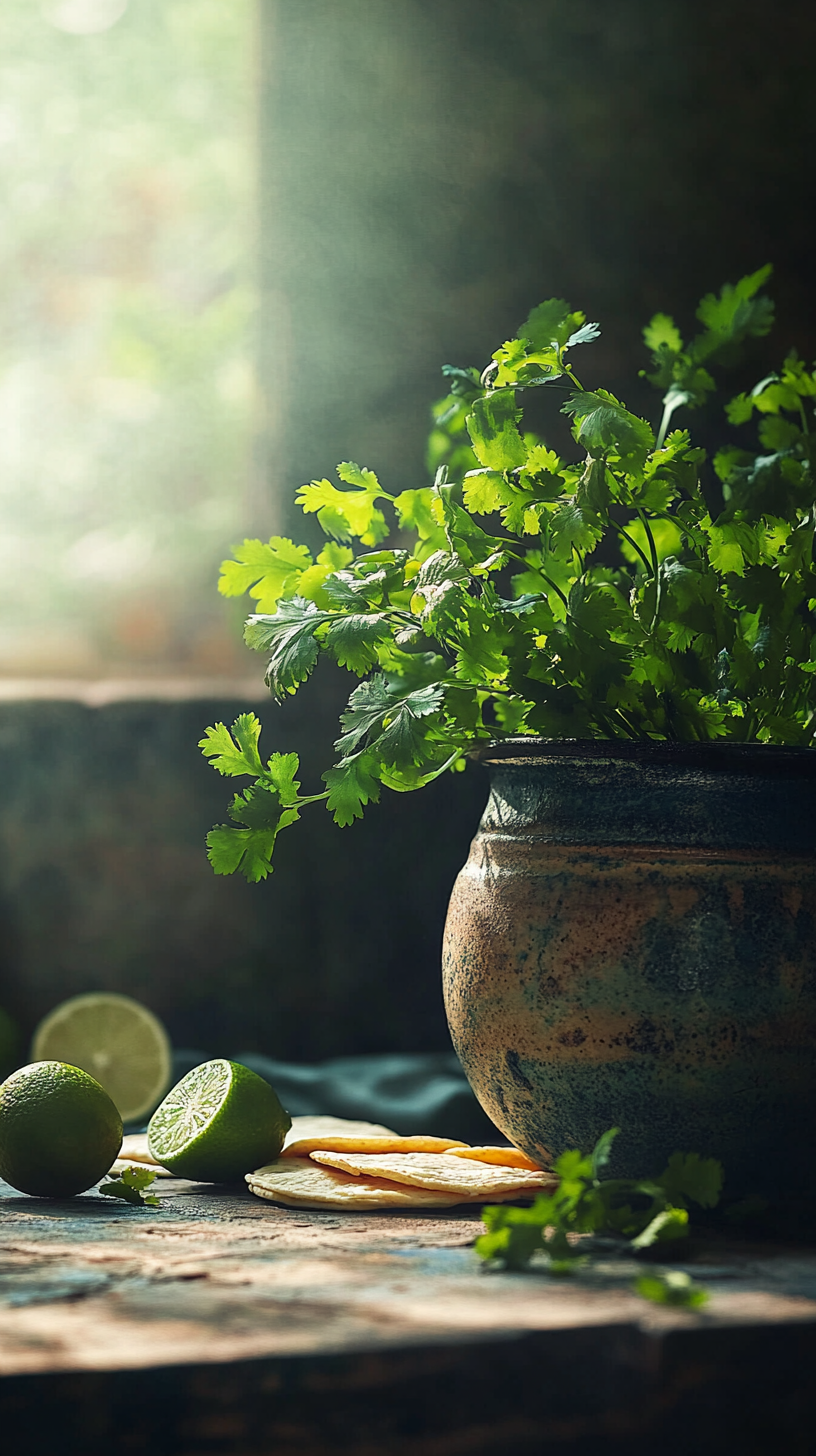
Cilantro brings brightness and boldness. While a little picky, it’s worth the effort for taco night and homemade salsa lovers.
🌱 How to grow it:
- 🌤 Prefers cool weather and partial sun
- 💧 Keep soil moist and well-drained
- 🌱 Grows fast from seed but bolts in heat—plant often in small batches
- ✂️ Harvest leaves frequently before it goes to seed
- 🌿 Also grows microgreens well indoors
🍽️ How to use it:
- Add to tacos, guacamole, curries, and salsa
- Blend into chimichurri or green chutneys
- Use the seeds (coriander) for earthy spice mixes
- Add to detox smoothies or gut-healing broths
- Dry leaves for teas with calming and cooling effects
🌿 10. Lemon Balm
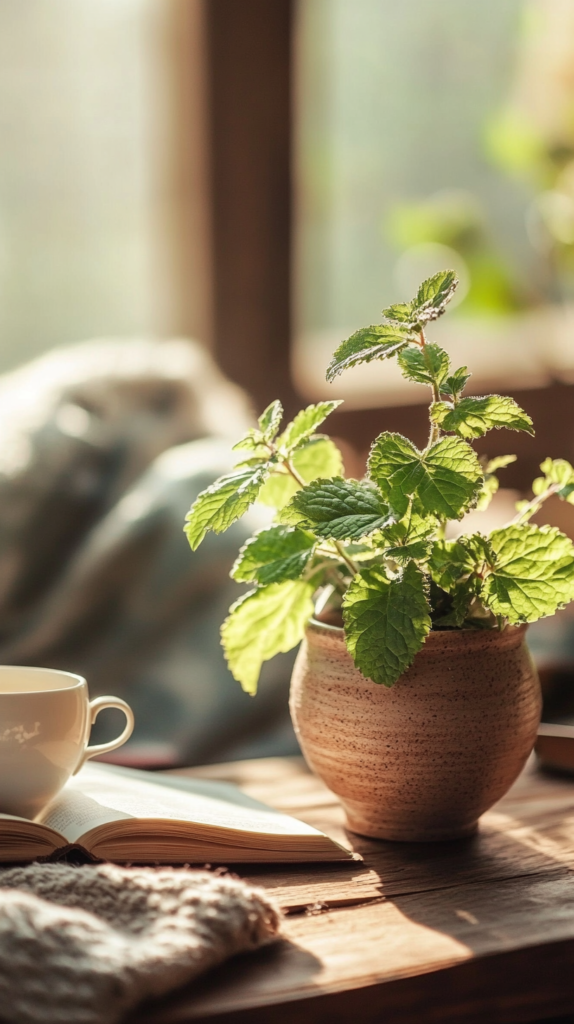
This soft, citrus-scented herb is known for its calming properties. It’s ideal for tea lovers, bedtime rituals, and gentle home apothecaries.
🌱 How to grow it:
- 🌤 Prefers part shade to full sun
- 💧 Likes evenly moist soil
- 🌱 Grows well in containers—can spread if not contained
- ✂️ Harvest frequently to keep from becoming leggy
- 🪴 Hardy perennial in many zones
🍽️ How to use it:
- Brew into a relaxing bedtime tea (great for kids, too)
- Add fresh leaves to fruit salads or lemonade
- Infuse into honey, oil, or vinegar for calming blends
- Dry and use in sachets or bath soaks
- Use for healing herbs & heart-centered rituals
🌿 11. Sage
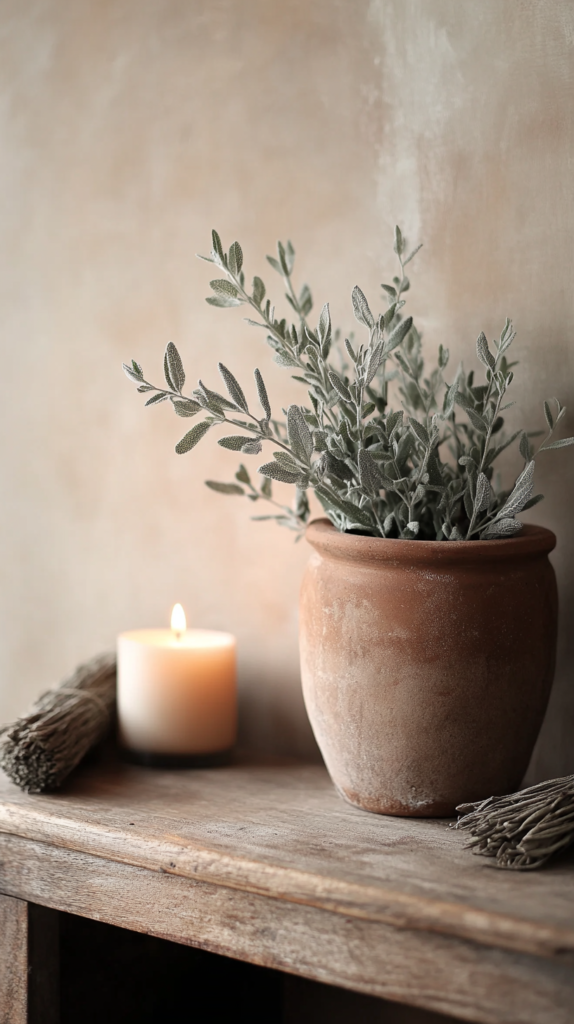
Sage is both sacred and savory. Known for its deep aroma and cleansing properties, it brings warmth to food and energy to your space.
🌱 How to grow it:
- 🌞 Full sun, well-draining soil
- 💧 Let soil dry between waterings
- 🪴 Grow in large pots or garden beds
- ✂️ Harvest young leaves for best flavor
- ❄️ Can overwinter indoors in pots
🍽️ How to use it:
- Add to roast dishes, stuffings, or brown butter sauces
- Dry into bundles for cleansing smudge sticks
- Use fresh in pasta or gnocchi dishes
- Infuse in oil or vinegar for savory herbal flavor
- Pair with rosemary and thyme for immune-supporting blends
🌿 12. Lavender
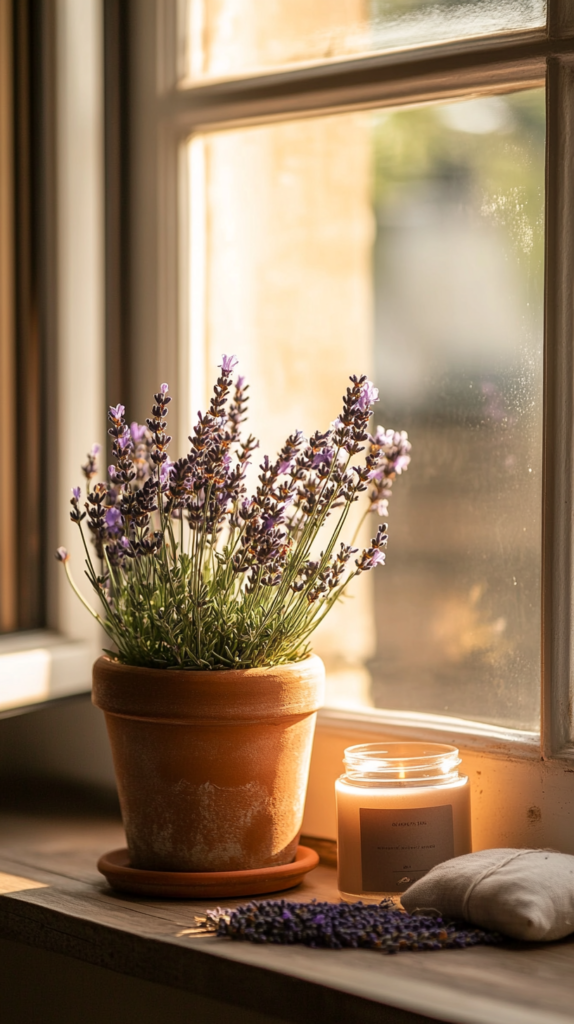
Lavender is the queen of calm. Loved for its scent, beauty, and gentle energy, this perennial herb is perfect for small gardens, windowsills, or sunny patios.
🌱 How to grow it:
- 🌞 Needs full sun and very well-drained soil
- 💧 Water sparingly—lavender thrives dry
- 🌱 Grows best in pots or rock gardens
- ✂️ Harvest flower stems when just opened
- ❄️ Hardy and drought-tolerant once established
🍽️ How to use it:
- Dry for sachets, bath salts, or drawer fresheners
- Steep in milk or cream for herbal desserts
- Blend into tea for calming evening rituals
- Use in herbal smoke bundles or self-care blends
- Symbolic for peace, intuition & self-trust in herbal magic
🌿 13. Marjoram
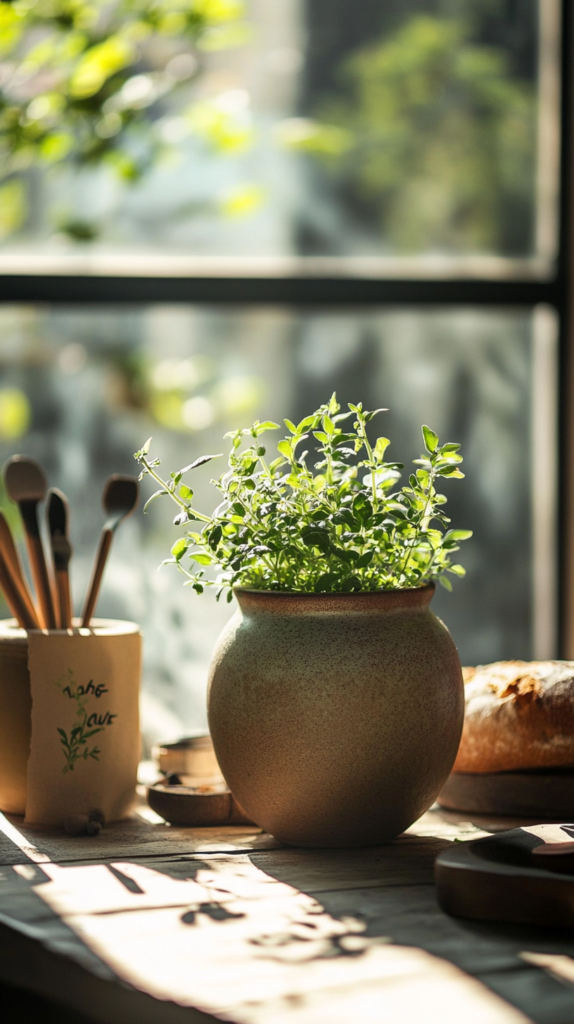
Often called “the happiness herb,” marjoram is delicate, sweet, and deeply aromatic. It’s easy to grow and blends beautifully with both culinary and medicinal uses.
🌱 How to grow it:
- 🌤 Prefers full sun but tolerates light shade
- 💧 Keep soil evenly moist
- 🌱 Compact growth – great for containers
- ✂️ Regularly pinch tops to encourage bushy growth
- 🪴 Protect from frost in colder climates
🍽️ How to use it:
- Add to soups, pasta, or lentil dishes for warmth
- Use in herbal teas for digestive or calming support
- Infuse in olive oil or herbal butter
- Dry for seasoning or sachets
- Great in emotional or seasonal apothecary blends
🌿 14. Lemon Verbena
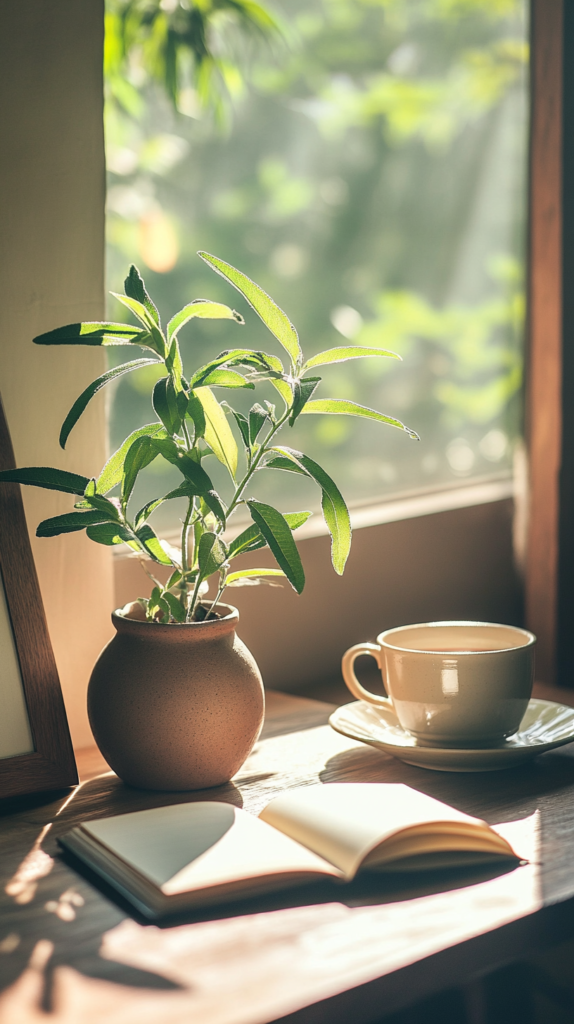
Lemon verbena is fresh, uplifting, and delightfully fragrant. Its citrusy leaves make the perfect tea, and its energy is bright and cleansing.
🌱 How to grow it:
- 🌞 Loves full sun and warm climates
- 💧 Keep soil moist but not soggy
- 🌿 Great in pots – overwinter indoors in cold zones
- ✂️ Harvest often to promote new growth
- 🪴 Protect from wind and heavy rain
🍽️ How to use it:
- Brew into refreshing herbal teas (hot or iced)
- Infuse into sugar, syrups or honey
- Dry leaves for use in sachets or bath soaks
- Crush and inhale for an instant mood lift
- Use in energy-clearing blends at the spring equinox
🌿 15. Catnip
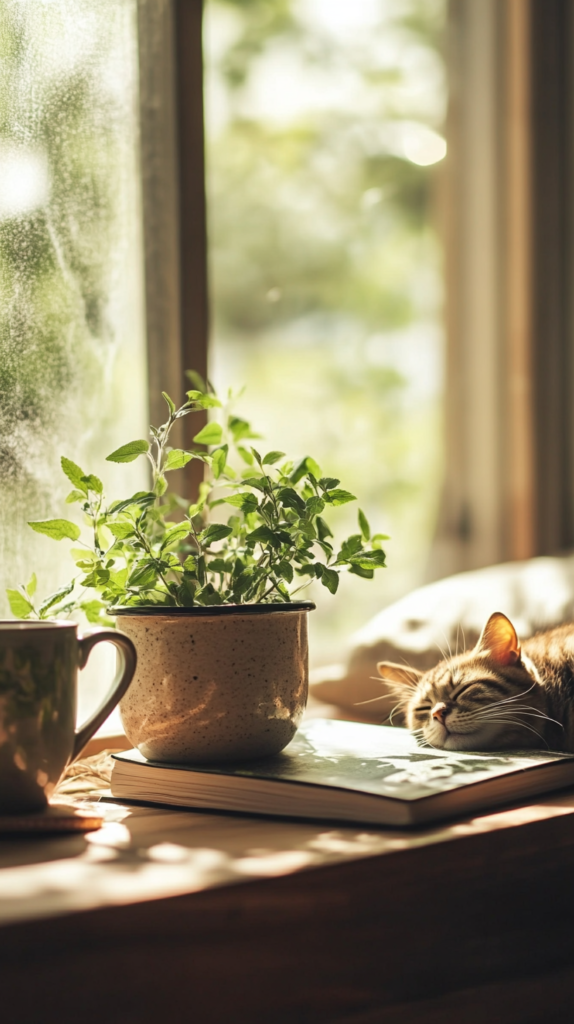
Catnip isn’t just for cats. It’s part of the mint family and has relaxing properties for humans, too—especially in bedtime teas or stress-relief blends.
🌱 How to grow it:
- 🌤 Grows best in full sun
- 💧 Water regularly but don’t overwater
- 🌱 Can spread, so best in containers
- ✂️ Trim often to encourage bushiness
- 🪴 Harvest leaves before it flowers for best strength
🍽️ How to use it:
- Great for light-hearted, peace-focused herbal rituals
- Dry and use in calming teas or blends
- Combine with lemon balm or chamomile for sleep support
- Make homemade cat toys or calming bundles
- Use fresh in pet-safe gardens
🌿 Your Tiny Garden of Possibility
You don’t need a green thumb. You don’t need a big yard. You just need curiosity, a windowsill, and a little patience. Growing herbs is a beautiful reminder that small things—like a sprig of mint or a handful of thyme—can bring joy, flavor, and calm into your life.
Let your herb garden be more than practical. Let it be a ritual. Let it be yours.
Note: All images in this post were thoughtfully created using AI to help you visualize cozy, beginner-friendly herb growing ideas. They’re here to spark inspiration, not perfection.